
Visiting Turkey in Winter: Weather, What to Pack & Essential Travel Tips
Planning to visit Turkey in winter? Discover regional weather conditions,
what to wear, packing essentials and practical tips for a comfortable winter
vacation.
Turkey is a wonderful destination throughout the year, but visiting during
winter requires a little extra planning.
Imagine exploring Istanbul's historic streets without the summer crowds,
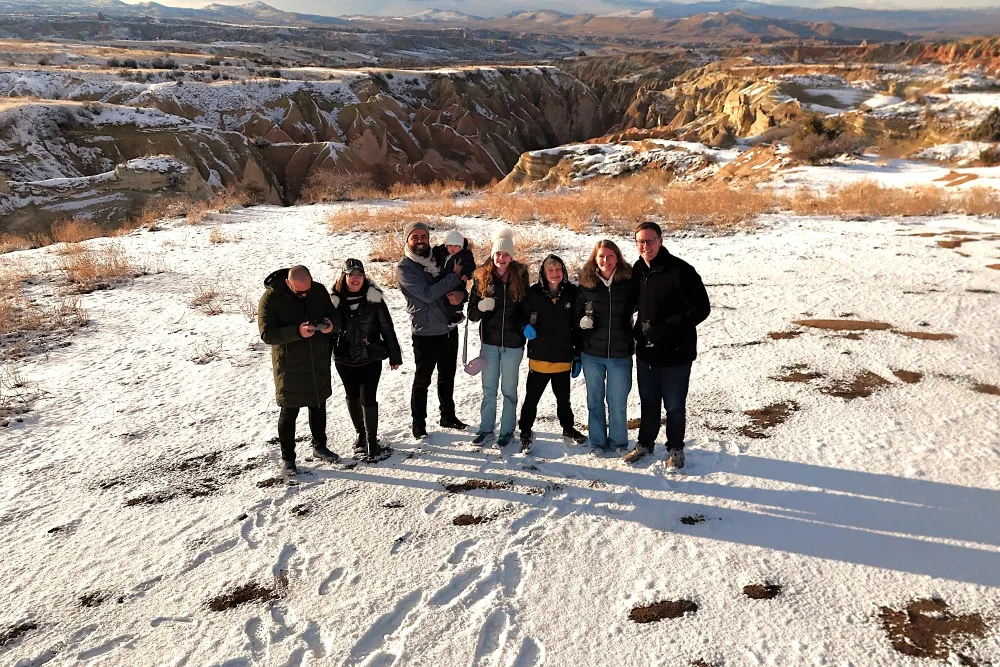
watching snow transform Cappadocia's fairy chimneys, or discovering ancient
cities beneath the softer Mediterranean winter sunshine.
Winter reveals a different side of Turkey.
However, one of the most important things to understand before traveling is
that winter weather varies significantly across the country.
The clothes you need in Antalya may be completely different from those
you'll need in Cappadocia.
Here's what you should know before packing your suitcase.
1. Understanding Turkey's Winter Weather
Turkey has several climate zones, so winter conditions depend heavily on
your destination.
Here are typical approximate daytime temperature ranges during December,
January and February:
| Destination | Daytime Temperature | What to Expect |
| Istanbul | 7–12°C (45–54°F) | Rain, wind and occasional snow |
| Cappadocia | 0–7°C (32–45°F) | Cold weather, snow and freezing nights |
| Antalya | 12–18°C (54–64°F) | Milder temperatures with rainy periods |
| Izmir & Ephesus | 10–15°C (50–59°F) | Cool weather and occasional rain |
| Pamukkale | 8–14°C (46–57°F) | Chilly mornings and changing conditions |
These are general planning estimates, not daily forecasts. Actual
temperatures can fall outside these ranges, particularly during cold spells.
If your itinerary includes several regions, prepare for changing weather
rather than packing for just one climate.
2. What to Wear in Turkey During Winter
The secret to comfortable winter travel in Turkey is dressing in layers.
A warm coat is essential in central Anatolia, but you may prefer lighter
layers while exploring Antalya.
We recommend packing:
A warm, wind-resistant jacket: Especially important for Istanbul and Cappadocia.
Thermal base layers: Useful
for cold mornings, evenings and outdoor sightseeing.
Comfortable waterproof walking shoes: Historic streets, archaeological sites and valleys can become wet or
slippery.
Sweaters and long-sleeved clothing: Easy to combine or remove as temperatures change.
A scarf, gloves and warm hat: Particularly helpful in Cappadocia and other inland destinations.
A compact umbrella or waterproof outer layer: Useful for rainy days in Istanbul and western
Turkey.
Sunglasses and sunscreen:Winter sunshine can still be strong, especially at higher elevations.
Bee Travel Tip: If you're
visiting both Istanbul and Cappadocia, pack for Cappadocia's colder
temperatures. You can always remove a layer in Istanbul, but being underdressed
during a snowy morning in Cappadocia can make sightseeing uncomfortable.
3. Flights, Transportation and Winter Travel
Winter weather can occasionally affect transportation in Turkey.
Snowfall, fog and strong winds may cause flight delays or cancellations,
particularly at airports serving central and eastern Anatolia.
In Cappadocia, hot air balloon flights are especially weather-dependent.
Flights operate only when aviation authorities permit safe conditions.
If a balloon experience is important to you, consider spending several
nights in the region rather than relying on a single morning.
Mountain roads can also become icy or snow-covered.
Bee Travel Insight: A
flexible itinerary is particularly valuable in winter. Having private
transportation and a knowledgeable local guide makes it easier to adjust
sightseeing plans when weather conditions change.
4. Best Places to Visit in Turkey During Winter
Winter doesn't mean you have to avoid Turkey's most famous destinations.
In fact, some places become especially memorable during the colder months.
Istanbul: Explore magnificent
museums, historic mosques, palaces and atmospheric neighborhoods. Indoor
attractions offer excellent alternatives on rainy days.
Cappadocia: Discover
snow-covered valleys, cave hotels, underground cities and extraordinary
volcanic landscapes.
Ephesus: Enjoy one of
Turkey's most impressive archaeological sites in a generally quieter season,
while preparing for possible rain.
Pamukkale: Experience the
famous white travertines and ancient Hierapolis, remembering that outdoor
surfaces can be cold and slippery.
Antalya: Enjoy a milder
Mediterranean climate, historical attractions and scenic coastal landscapes.
Each destination offers something different, making winter an excellent
season for a carefully designed cultural journey.
5. Practical Tips for a Comfortable Winter Holiday
A few small preparations can make a big difference.
Plan around shorter daylight hours. Outdoor sightseeing is generally more comfortable earlier in the day,
particularly in December and January.
Check seasonal opening hours. Museums, archaeological sites, restaurants and attractions may operate on
different schedules during winter.
Choose accommodation carefully. Good heating is especially important in Cappadocia, where nighttime
temperatures can fall below freezing.
Keep your itinerary realistic. Allow additional time for transfers and avoid scheduling important
experiences too tightly.
Stay flexible. Some of the
most memorable winter experiences happen when you adjust your plans to suit the
weather.
6. Why a Private Tour Makes Winter Travel Easier
Traveling through Turkey in winter can be incredibly rewarding, but
thoughtful planning becomes more important.
A private tour offers the flexibility to adjust your daily schedule, spend
additional time indoors during poor weather and travel comfortably between
destinations.
Instead of worrying about transportation, changing conditions or
complicated arrangements, you can focus on enjoying your journey.
Bee Travel Recommendation:For a winter vacation, consider combining Istanbul, Cappadocia, Ephesus and
Pamukkale in a relaxed private itinerary. Allow enough time in each destination
to accommodate changing weather without rushing.
Discover a Different Side of Turkey This Winter
Winter in Turkey isn't necessarily difficult.
It simply requires the right clothing, realistic expectations and a
well-planned itinerary.
At Bee Travel Turkey, we specialize in private, tailor-made journeys
that allow travelers to explore Turkey comfortably and at their preferred pace.
Whether you're dreaming of snowy Cappadocia, Istanbul's historic treasures
or the quieter beauty of Turkey's ancient cities, we'll help you create a
journey suited to the season.
Contact Bee Travel Turkey to start planning your private winter holiday in Turkey.