Discover the meaning of the poppy flower, its connection to ANZAC Day, and
why Gallipoli remains one of the most important places of remembrance in
Turkey.
Some flowers are admired for their beauty, others become symbols of memory.
The red poppy flower belongs to the second.
Across the world, the poppy is recognized as a symbol of remembrance,
sacrifice, and reflection. And nowhere does that symbolism feel more powerful
than on the Gallipoli Peninsula in Turkey.
A Flower That Grew From History
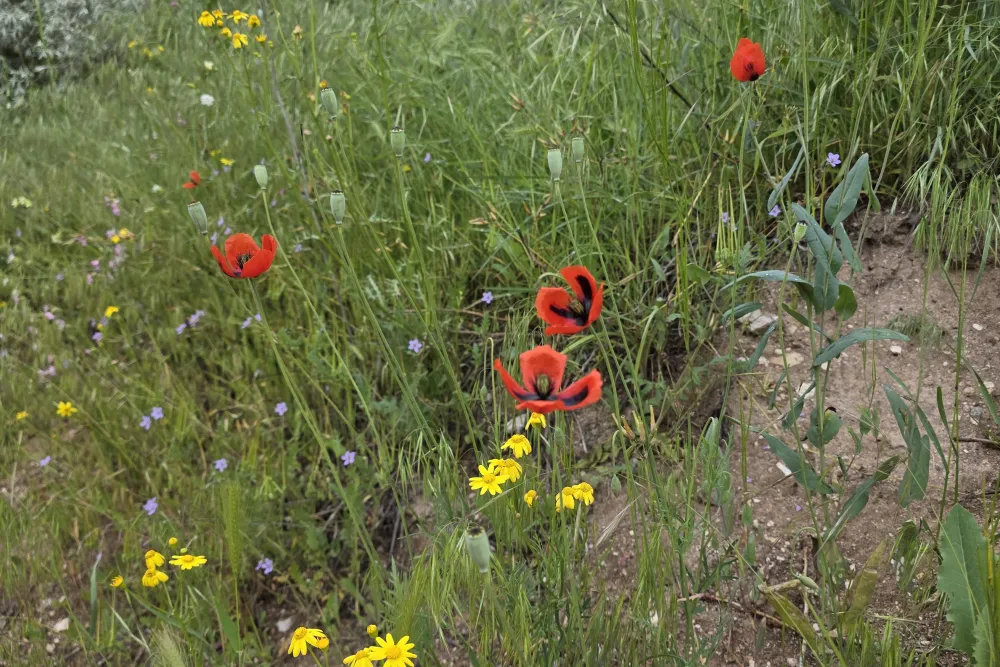
Every spring, red poppies bloom across fields and hillsides in many parts
of the world. Their vibrant color stands out against the landscape, creating a
striking image. But for millions of people, the poppy represents far more than
nature. It has become the international symbol of remembrance for soldiers who
lost their lives during war. This connection emerged after the First World War,
when poppies famously appeared on battlefields that had once witnessed
unimaginable destruction.
The Gallipoli Campaign and ANZAC Day
One of the most significant chapters of the First World War took place on
the Gallipoli Peninsula in northwestern Turkey.
In 1915, soldiers from: Australia, New Zealand, Britain,
France and the Ottoman Empire fought in a campaign that would leave a lasting
impact on all nations involved. For Australia and New Zealand, the campaign
became a defining moment in national identity. This is why ANZAC Day,
observed every year on April 25, remains one of the most important
commemorative days in both countries.
Why the Poppy Became a Symbol
The red poppy came to symbolize remembrance because of its resilience. After
battles ended, poppies often appeared in places where destruction had once
dominated the landscape.
Over time, the flower became associated with: sacrifice,
courage, memory, peace
Today, wearing a poppy is a gesture of respect for those who served and
lost their lives.
The poppy flower meaning is recognized across much of the world.
Gallipoli Today
Today, the Gallipoli Peninsula is a place of reflection rather than
conflict.
Visitors can explore: memorials, cemeteries, preserved
battlefields, coastal viewpoints
The landscape itself is surprisingly peaceful, pine trees cover the hills,
the sea appears calm, birdsong replaces the sounds of war. This contrast makes Gallipoli
Turkey one of the most moving historical destinations in the country.
ANZAC Cove: A Place of Remembrance
Among the most visited locations on the peninsula is ANZAC Cove.
This small stretch of coastline became the landing point for Australian and
New Zealand troops on April 25, 1915. Today, visitors come not to witness
conflict, but to remember. Especially during annual commemorations, the site
becomes a place of shared reflection between nations that were once enemies.
A Story of Respect
One reason Gallipoli continues to resonate so strongly is the mutual
respect that emerged from the tragedy. The campaign caused immense loss on all
sides. Yet over time, Gallipoli became a symbol not only of sacrifice, but also
of reconciliation. Many visitors are deeply moved by the words attributed to
Mustafa Kemal Ataturk, honoring the soldiers who fell on Turkish soil. These
words continue to shape the spirit of remembrance surrounding Gallipoli.
A Photographer’s Perspective
Your photos can tell a powerful story here.
The Gallipoli region offers: rolling hills, coastal
landscapes, memorial architecture, symbolic details
Especially focus on: poppy flowers in Bloom, memorials
against the sky, quiet pathways through cemeteries, sunrise and early morning
light. The strongest images often communicate emotion through simplicity.
Why the Poppy Still Matters
More than a century has passed since the Gallipoli Campaign. Yet the poppy
remains relevant because it represents something universal: remembering without
glorifying war.
It encourages reflection on: loss, resilience, shared
humanity. And that message continues to resonate across generations.
The Connection Between Nature and Memory
There is something powerful about a simple flower carrying such a profound
meaning. Every spring, poppies return. They bloom briefly, then disappear. Perhaps
that is why they became such a fitting symbol for remembrance. Beautiful, fragile,
temporary. Yet impossible to forget.
Final Thoughts
Gallipoli is not only a historical battlefield.
It is a place where memory lives in the landscape. And among the memorials, the sea, and the quiet hills, the red poppy continues to tell a story that transcends borders and generations. A story of remembrance. A story of respect. A story that still matters today.