The Blue Mosque is one of
Istanbul’s most recognizable landmarks, yet it is much more than a famous
silhouette on the skyline.
Officially known as the
Sultan Ahmed Mosque, this monument continues to function as an active place of
worship while welcoming visitors from all over the world. That balance between
daily life and history is what makes the Blue Mosque truly special.
What Is the Blue
Mosque?
Built in the early 17th
century, the Blue Mosque was commissioned by Sultan Ahmed I as a statement of
faith, power, and architectural ambition.
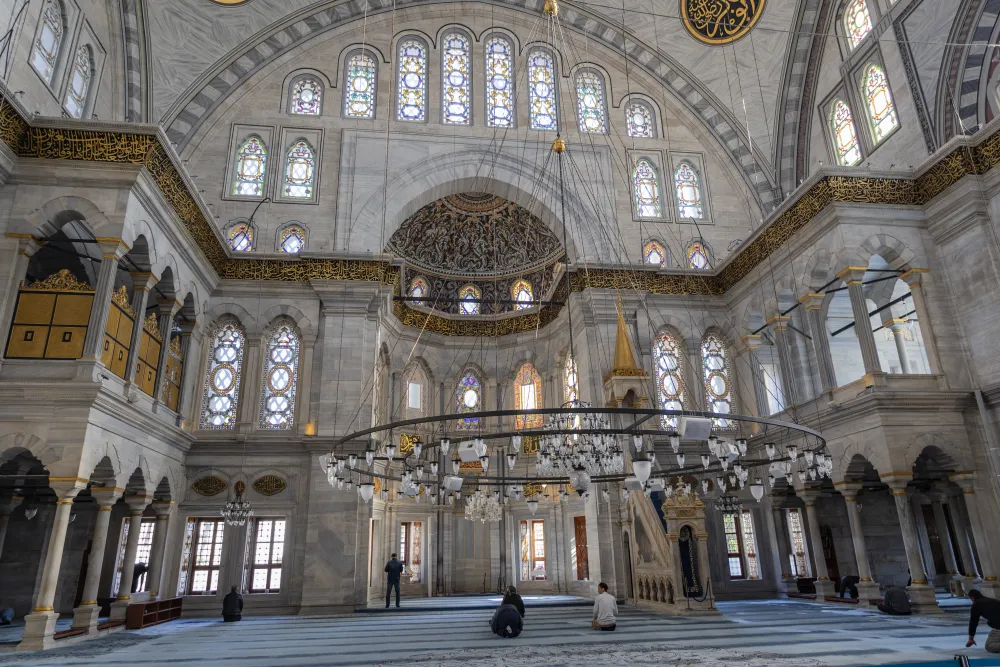
Its nickname comes from
the thousands of blue İznik tiles that decorate the interior, creating a calm
and harmonious atmosphere unlike any other mosque in the city.
Why the Blue Mosque Is
Included in Istanbul Tours
The Blue Mosque helps
visitors understand Istanbul’s Ottoman identity.
Located directly across
from Hagia Sophia, it represents a different era and purpose, allowing
travelers to see how religious architecture evolved over time. Visiting both
sites together creates a meaningful contrast rather than repetition.
A Place of Worship,
Not Just a Monument
One important detail
often overlooked is that the Blue Mosque is still actively used.
Prayer times structure
daily life here, and visitors are welcomed respectfully outside those hours.
This living aspect gives the experience authenticity — reminding travelers that
this is not a preserved museum, but a functioning spiritual space.
Architectural Details
That Define the Experience
Several elements make the
Blue Mosque unique:
Together, these features
create a sense of openness and calm.
Visiting With Cultural
Awareness
Understanding basic
etiquette enhances the visit:
These small gestures
allow visitors to experience the mosque in the spirit it was intended.
Why Guided Visits Add
Depth
Without explanation, the
Blue Mosque may feel visually impressive but quiet in meaning.
A guide explains:
This context transforms a
short visit into a deeper cultural moment.
A Natural Stop Within
a Full Day Program
The Blue Mosque is often
visited alongside Hagia Sophia, the Hippodrome, and nearby historic areas. Its
location makes it a natural and efficient stop, adding balance to a day filled
with major landmarks.
Final Thoughts
The Blue Mosque is not
defined by its scale alone, but by its continuity.
It stands as a reminder that history in Istanbul is not frozen in time — it is lived, practiced, and respected every day. Experiencing the Blue Mosque offers insight not only into architecture, but into the rhythm and values of the city itself.