

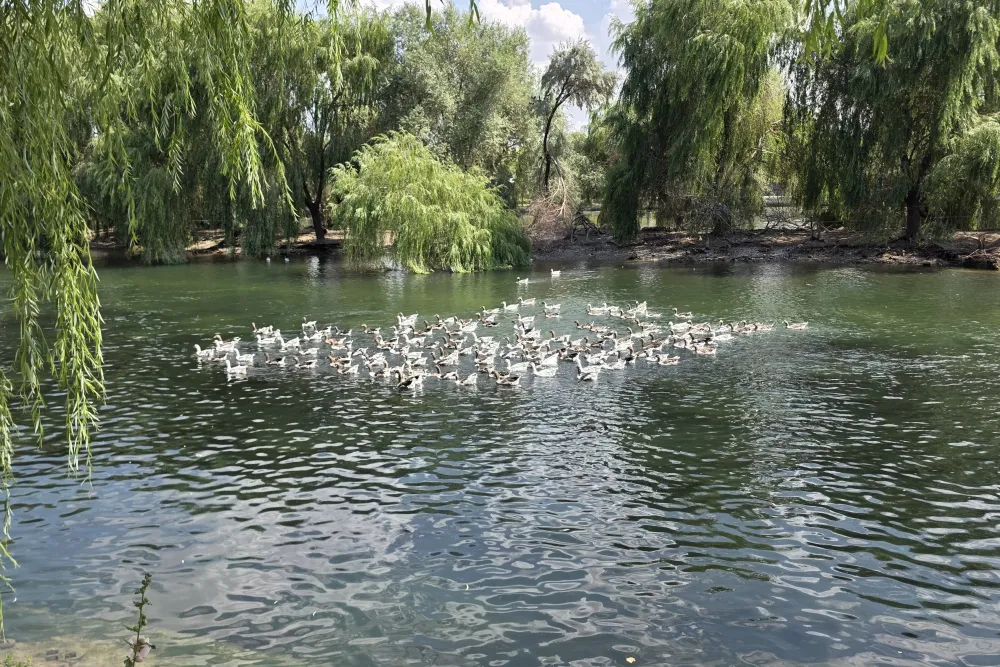
Discover Avanos in Cappadocia, where the Red River, ancient pottery
traditions, charming streets and local culture reveal a different side of
Turkey.
Cappadocia is famous for its fairy chimneys, hot air balloons and
extraordinary valleys.
But beyond these spectacular landscapes lies a quieter story, one shaped
not only by volcanic rock, but also by water, clay and human hands.
Welcome to Avanos, a charming town on the banks of the Kızılırmak, known
internationally as the Red River.
Here, the river is more than part of the scenery.
It has helped shape the town's identity for thousands of years.
The Red River: The Heart of Avanos
Flowing through the center of Avanos, the Kızılırmak is the longest river
that begins and ends within Turkey's borders.
Its Turkish name means Red River, referring to the reddish sediments
carried by its waters.
For generations, the river and the surrounding landscape have provided the
clay that helped establish Avanos as one of Anatolia's traditional pottery
centers.
Today, the river remains central to the town's atmosphere.
Bridges connect its banks, riverside paths invite leisurely walks, and
local life continues around the water.
Unlike Cappadocia's dramatic valleys, Avanos offers a gentler kind of
beauty.
A Pottery Tradition Thousands of Years Old
Avanos is especially famous for its pottery, a tradition commonly traced
back to the Hittite period.
Inside traditional workshops, skilled artisans transform clay into bowls,
jugs, plates and decorative objects using techniques passed down through
generations.
Watching a potter work is surprisingly captivating.
A simple piece of clay begins to spin, and within moments, careful
movements turn it into something recognizable.
What looks effortless is actually the result of years of practice.
Some workshops also allow visitors to try the pottery wheel themselves.
And that's usually when you discover just how difficult the craft really
is!
Bee Travel Tip: If you visit
a pottery workshop, take time to watch the artisan before trying the wheel
yourself. The experience becomes much more meaningful when you understand the
skill behind the craft.
Beyond the Pottery Workshops
Avanos deserves more than a quick stop for pottery shopping.
Its older neighborhoods, traditional stone houses and narrow streets offer
glimpses of everyday Cappadocian life.
Along the river, the atmosphere becomes especially pleasant during the
quieter hours of the day.
A walk, a coffee or simply watching the water flow can provide a welcome
contrast to Cappadocia's busier sightseeing schedule.
This is a place where slowing down often reveals more than rushing between
attractions.
Bee Travel Insight: The River That Shaped a Town
The connection between Avanos and the Red River is more than geographical.
Without the river's clay and the surrounding natural resources, Avanos
might have developed a very different cultural identity.
The pottery workshops visitors explore today are part of a much longer
story connecting nature, craftsmanship and generations of local families.
In Avanos, the landscape doesn't simply surround the culture. It helps
create it.
Is Avanos Worth Visiting?
Absolutely, especially if you enjoy local culture, traditional crafts and
experiences beyond Cappadocia's famous valleys.
However, Avanos shouldn't be treated as just another shopping stop.
Bee Travel Recommendation:Combine a genuine pottery workshop experience with a walk through Avanos's
older streets and some relaxed time beside the Red River. This offers a much
more complete picture of the town.
If you'd like to discover traditional workshops and local experiences
beyond the usual tourist stops, Bee Travel Turkey can help you explore this
side of Cappadocia.
Beyond the Classics
Avanos may not be a hidden destination, but its deeper story is often
overlooked.
At Bee Travel Turkey, we believe the most meaningful travel experiences
reveal the connection between a place, its people and its traditions.
And in Avanos, that connection has been flowing through the town for
thousands of years.
The Red River shaped the clay. Generations of artisans shaped the pottery. Together, they shaped Avanos.


